

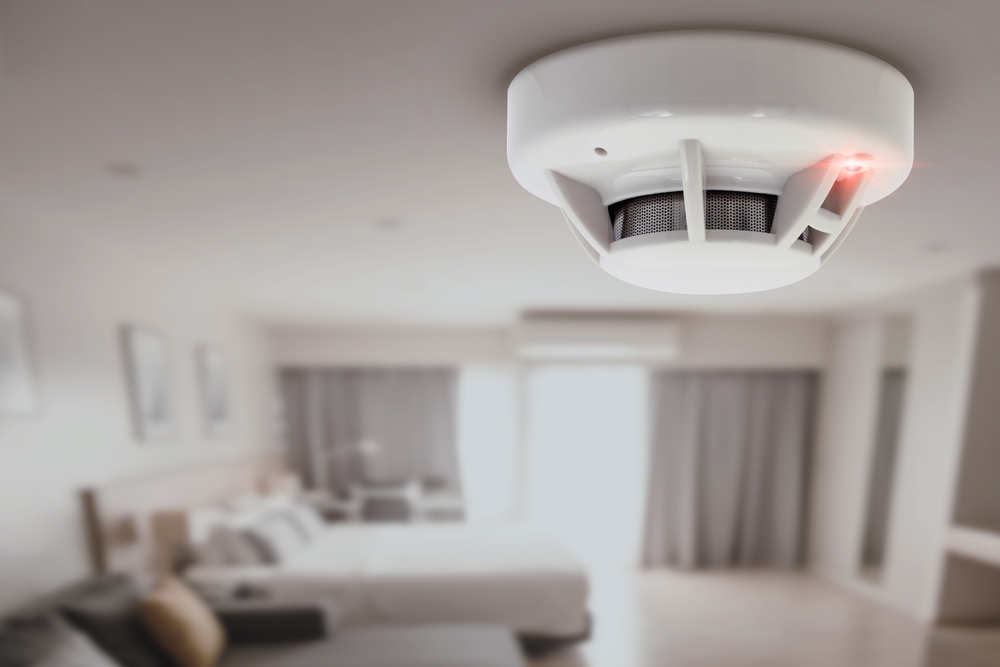
Carbon monoxide (CO) is a deadly gas that is colorless, odorless, and tasteless. It’s often referred to as the “silent killer” because it can build up undetected and cause serious health issues or even death. The only way to ensure your home or workplace is safe from this invisible threat is by using carbon monoxide detectors. These small but crucial devices play a vital role in early detection and can be life-saving when installed and maintained properly.
In this comprehensive guide, we’ll explore the importance of carbon monoxide detectors, how to go about checking your carbon monoxide detectors regularly, when and how to replace them, and what features to consider when buying a new one. Understanding these details will help you protect yourself, your family, and others from potential carbon monoxide exposure.
The Importance of Carbon Monoxide Detectors in Every Home
Carbon monoxide is produced whenever fuel is burned. Common household sources include gas furnaces, water heaters, fireplaces, stoves, and vehicles left running in an attached garage. Without proper ventilation or functioning exhaust systems, CO levels can quickly become dangerous. According to the Centers for Disease Control and Prevention (CDC), more than 400 Americans die from unintentional CO poisoning each year, and thousands more are hospitalized.
Carbon monoxide detectors are designed to sound an alarm before CO levels become hazardous. They give occupants critical time to evacuate and address the source of the leak. These detectors are essential not just in homes, but also in hotels, dormitories, and workplaces. Modern building codes in many areas now require their installation, especially near sleeping areas.
Having carbon monoxide detectors installed is not enough; they must also be properly maintained and regularly tested to ensure they are functioning correctly. A non-working detector is as dangerous as having none at all.
Checking Your Carbon Monoxide Detectors: How and Why It Matters
Regularly checking your carbon monoxide detectors is a simple but essential task that can save lives. Over time, detectors can wear out, lose battery power, or suffer internal damage that renders them ineffective. Checking your carbon monoxide detectors involves more than a quick glance at the device; it requires a hands-on approach to ensure they are operational.
Start by pressing the test button on each detector. This button triggers a sound check to confirm the alarm is working. If you hear a loud, piercing sound, the detector is functioning. If it’s faint or nonexistent, it’s time to replace the batteries or the unit itself. This test should be done monthly.
Another crucial aspect of checking your carbon monoxide detectors is reviewing their power source. Battery-powered models require fresh batteries at least once a year. Plug-in or hardwired units often come with battery backups in case of power outages. Even these backup batteries need routine inspection and replacement.
It’s also wise to check the placement of your detectors. Carbon monoxide rises with warm air, so detectors should be installed on walls at breathing level or on the ceiling. They should be placed near every sleeping area, and at least one should be located on each floor of your home.
Additionally, stay alert to warning signs such as frequent chirping, which may indicate low batteries or an internal error. Don’t ignore these alerts, as they often precede complete device failure. By regularly checking your carbon monoxide detectors, you ensure that they’re ready to protect you in a critical moment.
Replacing Carbon Monoxide Detectors: Knowing When and How
Carbon monoxide detectors are not eternal devices. Over time, their sensors degrade and lose effectiveness. Most models have a lifespan of five to seven years. This timeline can vary based on the manufacturer, so it’s essential to read the user manual and check the expiration date printed on the unit.
Failing to replace outdated detectors puts you at risk, as older units may not detect CO buildup promptly. When replacing a detector, choose a model that meets current safety standards, such as those certified by Underwriters Laboratories (UL). The process of replacing a detector is straightforward: remove the old unit, disconnect any wiring or battery components, and install the new one according to the instructions.
If your home uses hardwired detectors, consider hiring a qualified electrician to handle the replacement, especially if it involves changes to the electrical system. Battery-powered or plug-in models can typically be replaced by homeowners without professional help.
It’s a good practice to write the installation date on the back of the detector or store it in your home maintenance records. This ensures you know exactly when the unit will need replacing in the future. Also, remember to safely dispose of the old detector, especially if it contains lithium batteries, as these can be hazardous in the trash.
Buying Carbon Monoxide Detectors: Features to Look For
Choosing the right carbon monoxide detector involves more than picking the first one off the shelf. Several key features can enhance protection and convenience. The most important feature is reliability. Always look for detectors that are UL-certified, which ensures the unit meets rigorous safety standards.
Consider the power source that best fits your home. Battery-powered models offer flexibility in placement but require routine battery changes. Plug-in units are easy to install but may be limited to outlets that are not obstructed. Hardwired models often offer the highest reliability and may include interconnectivity, so if one alarm sounds, they all do.
Some modern carbon monoxide detectors come with dual functionality, also acting as smoke detectors. These combination models are ideal for homeowners looking to reduce wall or ceiling clutter. Others include digital displays that show current CO levels, which is helpful for monitoring trends or identifying low-level exposures before they become dangerous.
Smart detectors are becoming increasingly popular. These units can send alerts to your smartphone, integrate with home automation systems, and provide real-time diagnostics. They are typically more expensive but offer enhanced peace of mind.
You should also consider the volume of the alarm. Most models emit a sound around 85 decibels, which is loud enough to wake sleeping individuals. Make sure the unit’s alarm is easily heard from all parts of your home, especially bedrooms.
When buying carbon monoxide detectors, it’s wise to purchase from reputable retailers or directly from the manufacturer. Avoid used or refurbished units, as their reliability may be compromised.
Carbon Monoxide Safety Beyond the Detector
While installing and maintaining carbon monoxide detectors is vital, prevention is the first line of defense. Make sure all fuel-burning appliances are installed and serviced by qualified professionals. Ensure that vents and chimneys are free of obstruction. Never use outdoor appliances such as grills or generators inside or in enclosed spaces like garages or basements.
Vehicles should never be left running in a garage, even with the door open, as carbon monoxide can still seep into living areas. Similarly, avoid using gas ovens or stovetops to heat your home. Educate all household members about the dangers of carbon monoxide, the sound of the detector alarm, and what actions to take when it sounds.
It’s also smart to have a carbon monoxide safety plan in place. This includes identifying evacuation routes, designating a meeting point, and ensuring that children and elderly individuals are assisted promptly. If a detector sounds, the first step is to exit the premises and call emergency services. Do not re-enter until professionals confirm it is safe.
Being proactive about CO safety means combining preventive maintenance, smart usage of appliances, and diligent monitoring through carbon monoxide detectors. It’s a holistic approach that ensures maximum protection for your home or business.
Conclusion
Carbon monoxide detectors are an essential part of any safety plan, especially in homes and buildings with fuel-burning appliances. From installation to regular maintenance, these devices require attention and care to remain effective. Checking your carbon monoxide detectors routinely helps ensure they are functioning when you need them most. Replacing old units and buying reliable, feature-rich models enhances your protection and brings peace of mind.
Don’t wait for symptoms of carbon monoxide poisoning to appear before taking action. The steps are simple: install detectors, test them regularly, replace them on schedule, and choose high-quality models when purchasing new ones. These small efforts can make a life-saving difference. Make carbon monoxide safety a top priority in your home today.
Need a HVAC Contractor Near You?
If you’re looking for reliable, family-owned HVAC experts, we’d love to help! At McGee Refrigeration, we’ve proudly served the Visalia area since 1981, providing trusted heating, air conditioning, and restaurant equipment repair for both homes and businesses. Our team is here to answer any questions, offer free estimates, and help you save with our service agreement discounts. Don’t wait to get the comfort and dependability you deserve; reach out to us today!